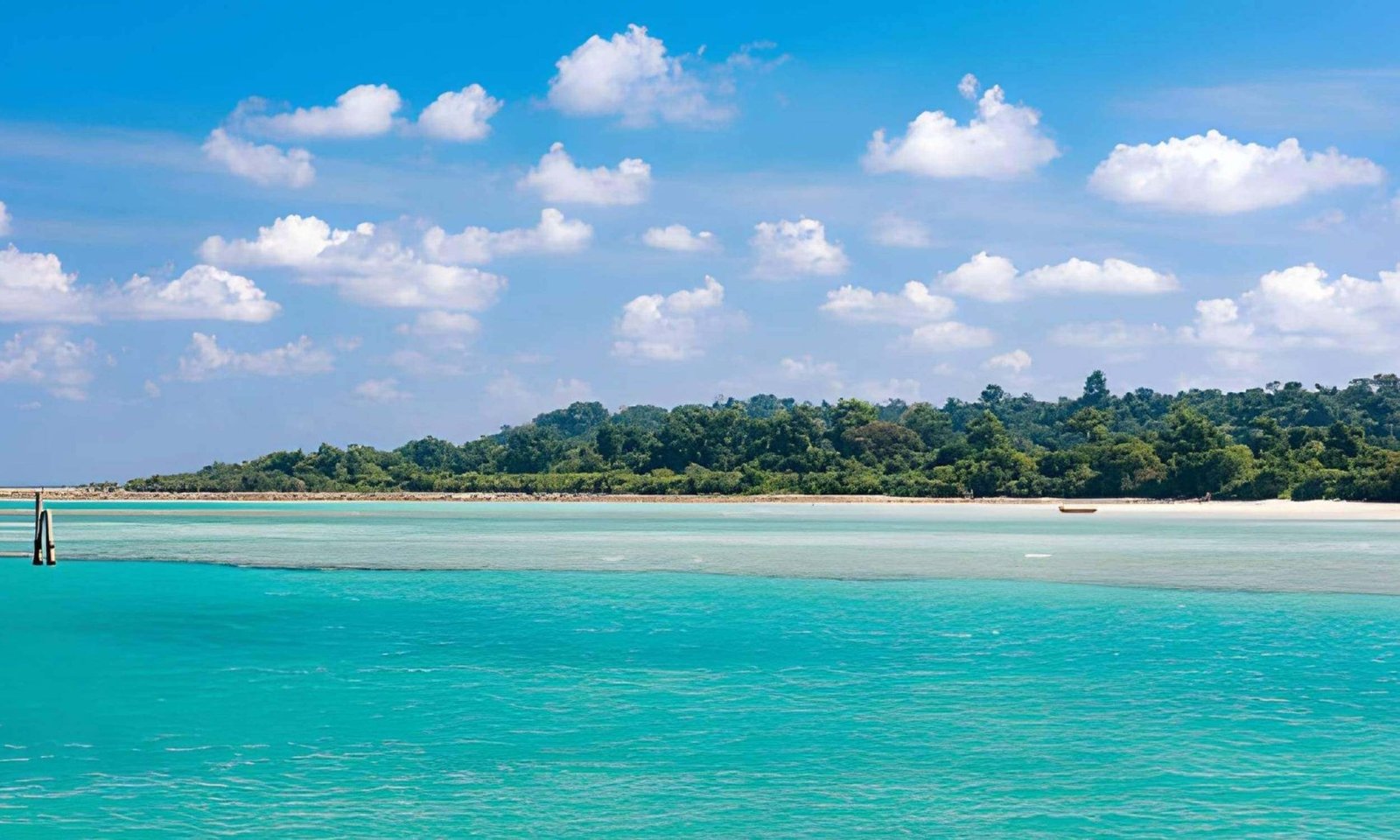
The Andaman Islands lie in the Bay of Bengal and have their own distinct weather rhythm — one that determines everything from sea visibility for divers to whether you can actually reach Havelock. Here is the honest, season-by-season breakdown every traveller needs before booking.
The Three Seasons of Andaman
Unlike most Indian destinations, Andaman does not follow the classic summer-monsoon-winter pattern. The islands have three overlapping travel seasons shaped by the southwest and northeast monsoons, sea conditions, and tourist footfall.
Peak Season — October to February
This is the best time to visit Andaman for most travellers. Skies are clear, seas are calm, and every beach, activity, and ferry route is fully operational. Water visibility for scuba and snorkelling can reach 25–30 metres. The flip side: hotels, ferries, and packages cost significantly more, and you will want to book at least 4–6 weeks in advance for popular spots like Radhanagar Beach and Elephant Beach.
Shoulder Season — March to April
March and April offer a sweet spot — the weather remains pleasant, seas are still manageable, and prices start easing off. It is the perfect window for budget-conscious travellers who do not want to compromise too much on experience.
Off Season — May to September
The southwest monsoon makes ferry services unreliable, many resorts shut down, and water activities are suspended from roughly mid-May through September. However, if you are a birder or simply want to experience the islands at their most lush and raw, monsoon Andaman is a genuinely spectacular place, and prices are at rock bottom.
Best Time by Purpose
For scuba diving and snorkelling, the October–April window offers the best visibility, with December and January being the gold standard. For honeymoon couples, November through February offers the most romantic conditions with golden sunsets and calm seas. Budget travellers should target March and the first two weeks of April for the best value.
What to Pack by Season
For peak season, pack light cottons, reef-safe sunscreen, and insect repellent. For the shoulder season, bring loose breathable clothing and electrolyte sachets for the heat. For monsoon travel, waterproof bags for electronics and quick-dry clothes are essential.